To prevent the most common HVAC problems and winter emergencies, schedule a winter HVAC tune-up, change filters every 30–90 days, seal drafts, clear snow and ice from outdoor units, insulate exposed pipes, and shut the system down plus call 24/7 emergency HVAC repair services if you smell gas, burning, or lose heat in extreme cold. Taking these steps early keeps your home safe, warm, and far less likely to suffer a costly HVAC break down during winter.
Why Winter Makes Common HVAC Problems So Dangerous
Winter doesn’t just expose common HVAC problems, it amplifies them. Your system runs longer, outdoor temperatures plunge, and any underlying issue (from clogged filters to frozen HVAC pipes) suddenly becomes a safety risk rather than a minor annoyance.
When homeowners in the Wasatch Front region suddenly need Reliable Hvac Services, it’s usually because those small issues were never handled during fall and now show up as no-heat calls on the coldest night of the year.
Cold, dry air, ice, and snow all put extra stress on a single-stage gas furnace used in winter heating and on any heat pump system with an outdoor unit. That’s why a smart homeowner guide must focus on prevention first, then quick fixes, then true emergency steps.
The Most Common Winter HVAC Problems and What They Mean
Frozen HVAC Pipes, Coils, and Exposed Plumbing
Frozen HVAC pipes, outdoor coils, and exposed plumbing in unheated spaces are dangerous because expanding ice can crack lines, destroy equipment, and flood your home.
When temperatures stay below freezing, pipes in basements, attics, garages, and crawl spaces are at high risk, and frozen evaporator coils and bent coil fins can stop your system from moving heat at all.
Tip: Insulating exposed water pipes with foam sleeves or heat tape and letting faucets drip during extreme cold dramatically lowers your risk of burst lines.
Clogged or Dirty Air Filters and Weak Airflow
Clogged or dirty air filters are one of the most common hvac problems in winter because your system runs longer and pulls more dust through the return. When filters are blocked, you’ll notice weak or no airflow from vents and registers, uneven heat distribution between rooms, and higher energy bills.
Routine air filter replacement every 30–90 days in winter keeps airflow strong, protects the blower motor, and improves indoor air quality.
Uneven Heat Distribution and Leaking Ducts
Uneven heat distribution (one room a sauna, the next a freezer) usually points to leaking or poorly sized air ducts, blocked vents, or a failing fan motor. Duct leakage alone can waste up to 20–30% of heated air and make hvac common problems feel impossible to solve.
Quick Fix:
Make sure you’re keeping supply and return vents / registers open and unobstructed, never block them with furniture, rugs, or curtains.
If comfort issues remain, it’s time for professional Duct work services to seal and balance the system properly.
Thermostat Problems and Short Cycling
A malfunctioning or miscalibrated thermostat is behind many common furnace problems in cold weather: short cycling, rooms that never reach setpoint, or systems that won’t turn on at all. Over time, sensors drift, batteries die, or wiring loosens.
Furnace short cycling in winter (rapid on/off) overheats components, wastes energy, and is one of the top reasons furnaces fail overnight when your home needs them most.
Tip: Upgrade to a programmable or smart thermostat for winter energy savings and better control, especially if you’re serious about hvac winter maintenance.
Heat Pump Freezing Up and Outdoor Units Buried in Snow
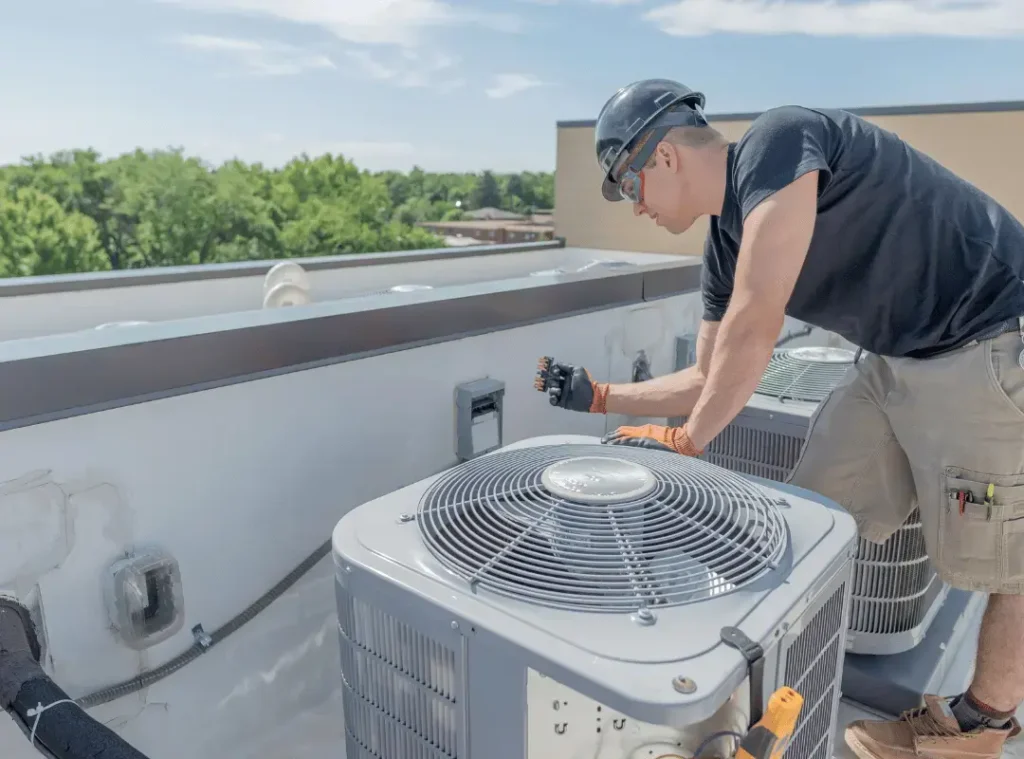
A heat pump freezing up or an outdoor condenser or heat pump unit buried in snow and ice is more than an annoyance, it can trigger emergency shutdowns and damage fan blades, coil fins, and refrigerant lines. Even modern defrost controls can’t work if the unit is literally encased in ice.
Quick Fix:
Gently clear snow around the unit and keep at least 2–3 feet of space for airflow. Never chip ice off with sharp tools; instead, turn the system to “Off” and let it defrost, or call an EMERGENCY HVAC contractor to help if the ice is severe.
Clearing snow, ice, and debris around outdoor HVAC units should be part of your weekly winter routine.
Pilot Light Issues, Cracked Heat Exchangers, and CO Leaks
Broken or flickering pilot light problems often point to a dirty flame sensor, drafts, or gas supply issues. More seriously, a cracked heat exchanger can allow combustion gases into the home and lead to carbon monoxide (CO) leaks from gas furnaces.
Carbon monoxide is colorless and odorless, so carbon monoxide detectors in the home and a properly functioning furnace flue / exhaust pipe are non-negotiable safety devices.
When you’re choosing Heating Services, always pick a company that tests for CO and inspects the heat exchanger on every furnace visit.
Electrical Problems, Odors, and Water Leaks
Tripped or repeatedly tripping circuit breakers, burning or electrical odors from HVAC equipment, and water leaks from the furnace, air handler, or indoor unit are all red-flag emergencies. Electrical issues can lead to fire, and water near electrical panels or a sump pump protecting basement from flooding can quickly become a major hazard.
If you smell burning or see smoke, shut the system off at the breaker and call a pro immediately, this is one of those winter hvac situations you never ignore.
Is It a Winter HVAC Emergency or Just an Inconvenience?
A winter HVAC issue is a true emergency when there’s no heat in extreme cold, electrical burning smells, gas odors, major water leaks, or unsafe indoor temperatures below 50°F.
Here’s a quick comparison to help you decide:
| Symptom | Emergency Level | Quick Fix You Can Try | Call a Pro Immediately? |
|---|---|---|---|
| No heat, indoor temp below 50°F in a cold snap | High | Check thermostat & breaker | ✅ Yes |
| Frozen HVAC pipes or burst line | High | Shut off main water shut-off valve | ✅ Yes |
| Burning smell, smoke, or sparking | Critical | Turn off system at breaker | ✅ Yes |
| Carbon monoxide alarm sounding | Critical | Evacuate, call gas company / 911 | ✅ Yes |
| Weak airflow, some rooms cooler than others | Moderate | Replace filter, open vents | Maybe |
| Short cycling without strange smells/noises | Moderate | Check thermostat batteries & settings | Maybe |
| Outdoor unit covered in a few inches of snow | Low–Moderate | Brush snow off, ensure airflow | If problem persists |
Remember: if you’re unsure, treat it as an emergency. Many heating services companies will happily advise over the phone whether you need immediate dispatch.
Quick Fixes Homeowners Can Safely Try First
You can safely check the thermostat, reset a tripped breaker once, replace filters, and clear snow from outdoor units before calling a pro, anything beyond that should be left to trained technicians.
Here are safe, homeowner-friendly quick fixes:
Safe Winter Troubleshooting Steps
Check thermostat settings – Make sure it’s in HEAT mode and set above room temperature. Replace batteries if it’s blank or unresponsive.
Confirm power – Check your panel and reset a single tripped breaker once. If it trips again, stop and call a pro.
Replace the air filter – If you can’t see light through it, replace it. This alone solves a large share of common hvac problems.
Verify vents and registers – Open all vents fully and move furniture, rugs, or curtains that block airflow.
Inspect the outdoor unit – Gently clear snow, ice, and leaves around the heat pump or condenser.
Tip: If you hear loud banging, squealing, grinding, or clanking (strange HVAC noises), turn the unit off and wait for a technician. Do not keep running the system.
If these steps don’t restore heat, or if Air Conditioning Services installed your equipment and you’re unsure about the warranty, call your original installer or a trusted local pro.
Winter HVAC Maintenance That Prevents Emergencies
The best way to prevent winter HVAC emergencies is to combine annual professional service with simple monthly homeowner tasks like filter changes, vent checks, and draft sealing.
A winter HVAC tune-up or seasonal HVAC maintenance visit should include pre-winter HVAC system inspection and testing, cleaning components, checking refrigerant, and verifying safe combustion.
Core Winter Maintenance Tasks
| Task | Recommended Frequency | DIY or Pro? |
|---|---|---|
| Full furnace / heat pump inspection & cleaning | Once per year (before heating) | Pro |
| Routine air filter replacement every 30–90 days | Monthly to quarterly in winter | DIY |
| Duct inspection for visible leaks | Once per season | DIY / Pro for sealing |
| Thermostat calibration & settings check | Once per season | Mostly Pro |
| Clearing snow/ice from outdoor unit | After storms | DIY |
| Exhaust pipe / furnace flue check | Annually | Pro |
When you sign up for Professional HVAC maintenance plans or service agreements, many companies schedule these for you and prioritize you if there’s an emergency.
It’s also smart to plan hvac winter maintenance at the same time you schedule other home checks, for example, when you test smoke alarms, check your sump pump protecting basement from flooding, and inspect weatherstripping.
How to Protect HVAC Systems and Plumbing in Extreme Cold
To protect HVAC systems and plumbing in extreme cold, insulate equipment and pipes, seal drafts, manage humidity, and keep water and air moving slowly instead of letting them sit and freeze.
Simple Ways to Protect HVAC Systems in Winter
Seal drafts around windows and doors to reduce heat loss and keep rooms evenly warm.
Use insulating outdoor HVAC equipment with breathable covers to shield from ice without trapping moisture.
Keep at least 2–3 feet of clearance around outdoor units so airflow stays strong.
Maintain healthy indoor humidity to reduce the stress on heating systems and combat cold, arid air that’s harder to heat.
These are practical hvac tips for winter that cost very little but pay off in comfort and reduced risk.
On the plumbing side, insulating exposed water pipes with foam sleeves or heat tape, draining outdoor faucets, and knowing where the main water shut-off valve is located can prevent catastrophic water damage if a line bursts.
If you ever experience a sudden HVAC Break Down during winter, shut the system down and inspect nearby plumbing and condensate lines for frozen sections as well.
Emergency Homeowner Checklist for Winter HVAC Failures & Storms
A written emergency homeowner checklist for winter HVAC failures and storms ensures your family knows exactly what to turn off, what to check, and who to call when something goes wrong.
Winter HVAC Emergency Checklist
Safety first – If you smell gas or burning, turn off the system at the thermostat and breaker, evacuate, and call your gas company or 911.
Temperature check – If indoor temps approach 50°F or lower, use safe space heaters and extra layers, especially for infants and elderly.
Water control – If a pipe bursts, shut off the main water shut-off valve immediately.
Basic troubleshooting – Check thermostat, filters, and breakers once.
Call 24/7 help – Contact 24/7 emergency HVAC repair services you trust and be ready to describe symptoms clearly.
Document issues – Take photos or short videos of strange noises, leaks, or error codes for the technician.
In very harsh Wasatch Front storms, families who have a plan for how to Handle No-Heat Emergencies are far less stressed and make better decisions under pressure.
Local Winter HVAC Risks Along the Wasatch Front
Along the Wasatch Front, temperature swings, valley inversions, and heavy snow make hvac in winter work harder, increasing the risk of frozen pipes, CO issues, and emergency breakdowns.
Cold snaps combined with inversions keep homes closed up for days, so using filters with an appropriate MERV rating, often MERV 13+ and sometimes HEPA furnace filters, can significantly improve indoor air quality. Just be sure your system is designed for higher resistance filters.
Because storms can knock out power, it’s also smart to think beyond HVAC: keep battery-powered carbon monoxide detectors in sleeping areas, prepare safe backup heat options, and consider a small generator to keep essentials running.
If you’re ready to truly Protect HVAC Systems in Utah winters, plan your maintenance and upgrades before the first serious freeze, not after something fails.
Advanced Winter HVAC Tips Many Homeowners Miss
Beyond basic winter hvac tasks, advanced tips like duct sealing, thermostat zoning, and smart leak detection help you avoid hidden failures and big energy waste.
Advanced HVAC Winter Tips
Seal ductwork with mastic or professional products to stop heat loss in attics and crawl spaces.
Use a programmable thermostat or smart thermostat to lower temps while you sleep or are away, then warm the home before you wake or return.
Add temperature and leak sensors near mechanical rooms so you can Prevent HVAC Sensor Freeze-Ups and detect issues early.
Have your tech check for continuous system cycling / overworked heating system patterns in your control board logs.
These hvac winter tips go beyond basics and help you attack energy waste while reducing the chance of mid-season failures.
If you’re scheduling upgrades or major repairs, coordinate them with any air conditioning work so your entire comfort system is treated as one integrated whole rather than a collection of separate projects.
Common Furnace Problems in Cold Weather and When to Call for Help
The most common furnace problems in cold weather are short cycling, ignition failure, weak airflow, CO risks, and thermostat errors, call a pro any time there’s no heat, burning smells, or alarms.
Some of the most serious winter issues include:
Intermittent ignition or pilot light that won’t stay lit
Cracked heat exchanger and CO risk
Blower motor failure leading to zero airflow
Repeated breaker trips whenever the furnace starts
Many of these start as small hvac common problems in fall, then become serious once the furnace runs constantly in January.
If your system is older and you’re seeing frequent issues, talk to a pro about replacement options and ductwork at the same time, so your new system isn’t handicapped by bad duct design.
Stay Warm and Safe This Winter with Wasatch Front Heating & Cooling
When winter hits the Wasatch Front, you don’t have time to guess whether a strange noise or smell is “serious enough” to call someone. That’s exactly why Wasatch Front Heating & Cooling is here: to handle everything from routine tune-ups to true EMERGENCY HVAC situations with honesty and speed.
Whether you need fast repairs, seasonal maintenance, or help planning long-term upgrades so you can avoid an HVAC break down during winter, our team is ready to help.
📞 Call Wasatch Front Heating & Cooling at (801) 510-2997 today to schedule your winter service, tighten up your system before the next storm, and keep your family comfortable all season long.
FAQs About Winter Common HVAC Problems & Emergencies
What are the most common HVAC problems in winter?
The most common hvac problems in winter include dirty filters, frozen HVAC pipes and coils, thermostat malfunctions, heat pump freezing up, short cycling furnaces, and uneven heating caused by duct issues or blocked vents.
How often should I change my furnace filter during winter?
You should generally replace your furnace filter every 30–90 days in winter, but homes with pets, allergies, or heavy use may need monthly changes to maintain airflow and efficiency.
When is a no-heat situation considered an emergency?
A no-heat situation is an emergency when indoor temperatures drop toward 50°F or lower, someone in the home is very young, elderly, or has health issues, or outdoor weather is dangerously cold.
Can I run my HVAC system if the outdoor unit is covered in snow?
You should clear snow and ice from around the outdoor unit before running the system; if the unit is encased in ice or making loud noises, turn it off and call a technician.
How can I prevent carbon monoxide problems from my furnace?
Prevent CO problems by having annual professional inspections, ensuring proper venting through the furnace flue, installing CO detectors, and shutting the system down immediately if any alarm sounds.
Are heat pumps reliable in very cold weather?
Modern heat pumps can operate efficiently in cold weather, but they require clear airflow, working defrost cycles, and sometimes backup heat strips or a furnace for extreme lows.



"These guys did an excellent job on our AC repair. Very friendly people who showed up exactly when they said they would. Communication was great throughout the whole process."